
Reported Killing of Ayatollah Khamenei Triggers Rapid Escalation
Middle East Tensions: The Middle East has entered a highly volatile phase after the United States and Israel launched major airstrikes inside Iran. The strikes targeted locations in Tehran linked to Iran’s Supreme Leader, Ali Khamenei. Soon after the operation, Donald Trump claimed that Ali Khamenei had been killed. Iranian state media later reported the same. Us-Israel Strikes on Iran have sharply escalated tensions in the Middle East following reports of major airstrikes near Tehran.
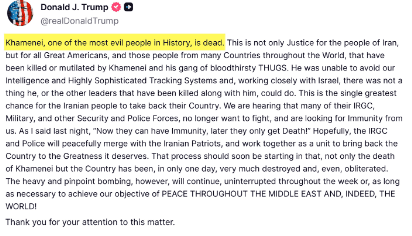
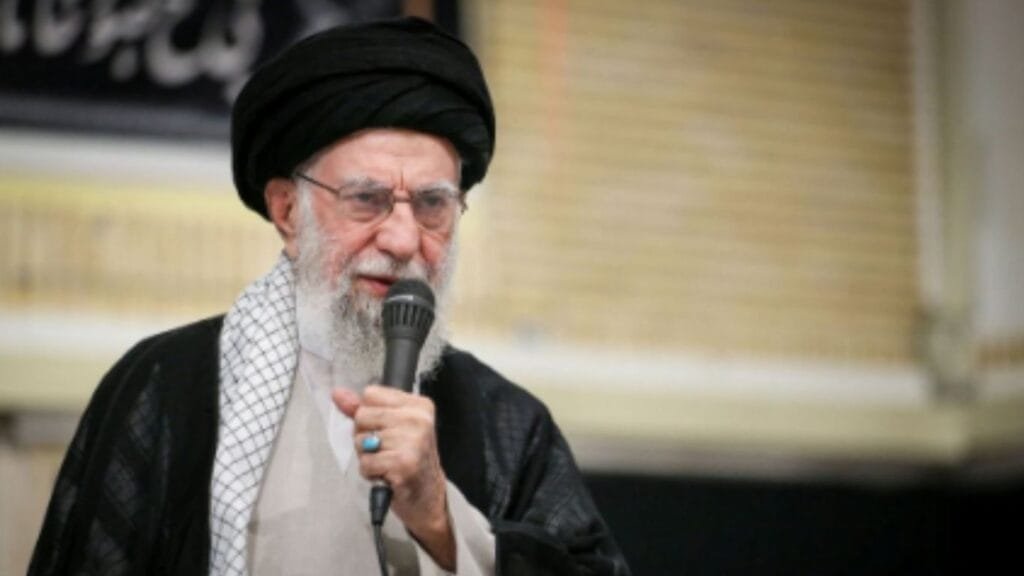
The reported death of Khamenei marks a dramatic turning point. He has led Iran since 1989 and built deep influence across the country’s military, political and religious systems. Any sudden change at the top carries serious consequences for Iran and the wider region. The strikes hit parts of Tehran during daylight hours. Witnesses heard loud explosions and saw thick smoke rising over the capital. Iranian authorities quickly shut down the country’s airspace and placed security forces on high alert. However, officials have not yet released full details about the damage.
Israeli leaders said they launched the operation to remove what they described as serious threats. They did not share technical details. Washington stood by the strikes, saying they were needed for regional security. The coordinated assault showed just how closely the U.S. and Israel work together militarily.
Iran Retaliates as Israel Faces Direct Attack
Within hours, Iran has responded. The military launched missiles and drones toward Israel, sharply raising fears of wider conflict. Soon after, air raid sirens sounded across central Israel. Residents rushed into shelters while the military activated its defense systems. In Tel Aviv, one missile struck a residential building. The attack killed one person and injured more than 20 others. Rescue teams immediately began searching damaged structures for survivors. Hospitals across the city treated the wounded as emergency services stayed on maximum alert.
Israeli officials said defense systems intercepted many incoming missiles. However, authorities continued to warn citizens about possible new attacks. As a precaution, officials closed schools in several areas and restricted large public gatherings. They also urged residents to remain close to protected spaces.
Middle East Regional tensions Shockwaves Across the Gulf
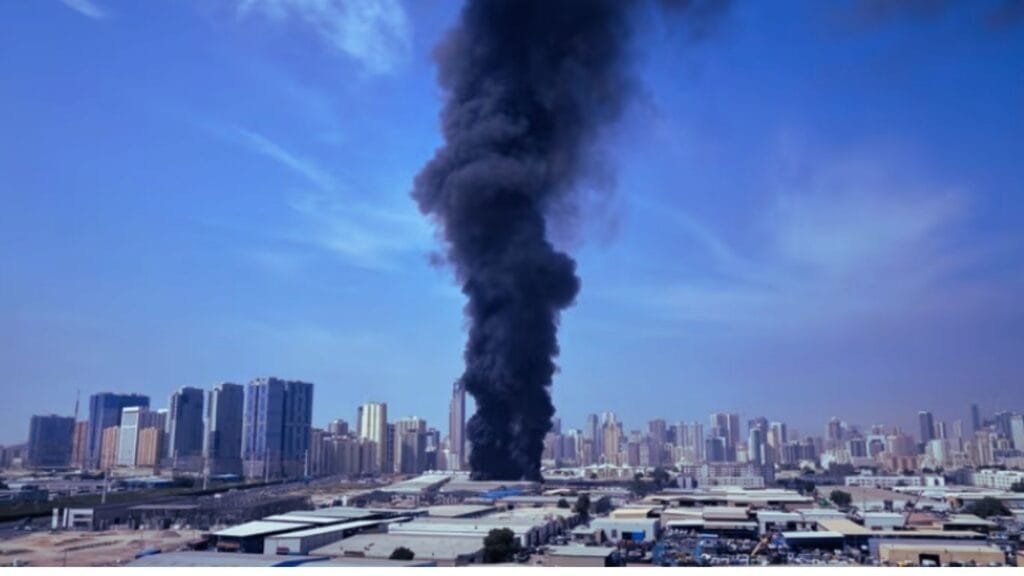
The conflict quickly fueled anxiety far beyond Iran and Israel. Several places in the Gulf reported explosions and security alerts. In Dubai, loud blasts echoed as smoke rose near the port area. Authorities quickly sent emergency teams and started an investigation. However, officials did not confirm any large casualty figures there. In Abu Dhabi, a reported drone incident near Zayed International Airport killed one person and injured several others. Officials asked people to stay calm and follow only verified updates. The incident showed just how quickly tensions were spreading across the region.
Middle East tensions Disrupts travel and Airspace Closures
With tensions rising, air travel across the region began to unravel. Several countries closed or restricted their airspace as a precaution. As a result, airlines canceled or rerouted hundreds of flights. Air India suspended several international services as a precaution. Meanwhile, panic scenes unfolded at Tel Aviv airport. When alerts sounded, passengers dropped their bags and rushed toward shelters. Aviation authorities continue to monitor the situation closely.

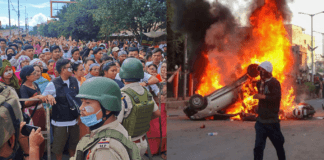
Protests Erupt in Pakistan and Iraq Anger over the strikes has spilled into the streets in several countries. In Karachi, Pakistan, protesters gathered outside the US Consulate to denounce the attacks, and police later clashed with demonstrators. If you want broadcast style or more dramatic tone, I can refine further. According to local reports, the violence left at least nine people dead and more than 30 injured. Security forces used tear gas and baton charges to regain control.
In Iraq, hundreds of protesters marched toward Baghdad’s heavily guarded Green Zone, where the US embassy is located. However, Iraqi security forces blocked their advance before they could reach the area. Demonstrators shouted slogans against the United States and Israel throughout the protest. Iraq later announced three days of national mourning following reports of Khamenei’s death. The move reflected the emotional and political impact spreading across the region.
Iran Moves to Stabilize Leadership
Iran’s leadership moved quickly to project stability. State media reported that officials had formed a temporary leadership council. The council includes the president, the judiciary chief and a senior cleric. Its role is to manage state affairs until authorities formally choose a new Supreme Leader.
One key figure to watch is Ali Larijani, secretary of Iran’s Supreme National Security Council. He strongly condemned the strikes and warned that Iran would respond firmly. Meanwhile, he said the country remains united and ready to defend itself. Iran also confirmed that the attacks killed several senior military officials, including top commanders from the armed forces. Analysts say the loss of multiple high-ranking figures deals a serious blow to Iran’s security leadership.
Despite the damage, Iran’s Revolutionary Guard announced additional waves of retaliation. The force claimed it had targeted Israeli military sites and US bases in the region. However, independent verification of every claim remains limited. World leaders are closely watching the crisis. The United Nations has held emergency talks, and many countries have urged all sides to stay calm. Meanwhile, oil markets have turned nervous as fears grow over possible supply disruptions.
Inside Israel, daily life has changed dramatically. Families have spent hours moving in and out of shelters. Emergency teams stayed on duty across major cities as government officials assured citizens that defense systems were fully active. Inside Iran, authorities have focused heavily on unity messaging. Officials announced a national mourning period, and large crowds gathered in several cities. Leaders promised that the country would respond to what they described as aggression.
Having said that, analysts note that Iran’s political system is designed to survive leadership losses. Power remains spread across military and clerical institutions. Because of this structure, the country is unlikely to collapse quickly even after losing a top leader. Even so, the danger of a wider regional war has clearly increased. Each new strike makes the situation more unstable. Therefore, nearby countries now fear they could be pulled into the conflict. Meanwhile, people across the Middle East are growing increasingly anxious about what may happen next.
In the coming days, military actions may continue. At the same time, quiet diplomatic talks could take place behind the scenes. Therefore, the decisions made by Washington, Tehran and Jerusalem will play a critical role in shaping what happens next.
For now, tensions remain extremely high. The strikes on Iran have already shifted the regional balance, and the risk of a broader Middle East war now depends heavily on the next moves from all sides.