


Thousands have been reported dead as part of a violent government crackdown against citizens who are protesting against the Iran government’s policies. Tens of thousands of prisoners are also being held in detention because of the protests. According to Iran International Report: At least 12,000 people have been death.
Iran’s Historical Background
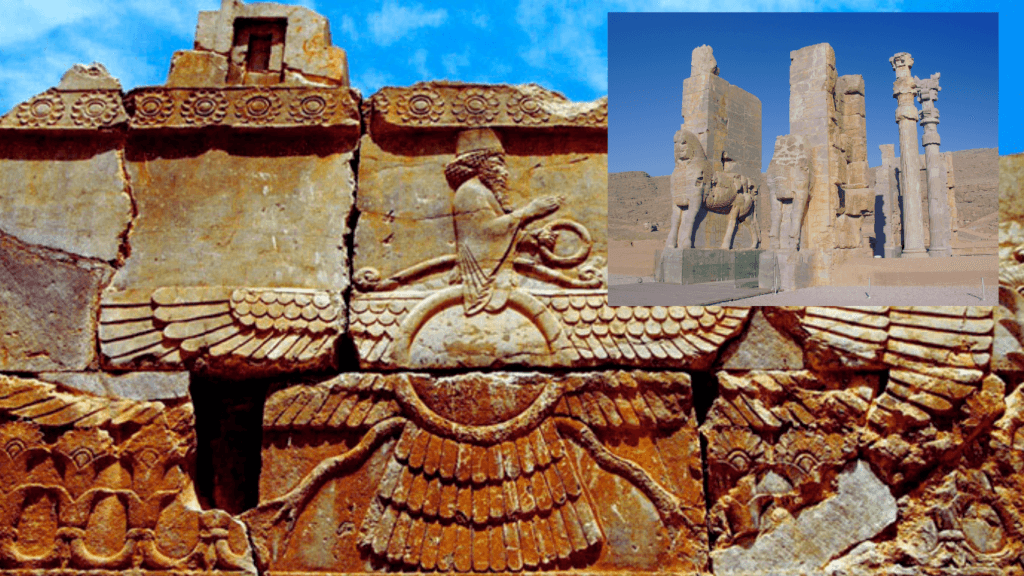
Before the arrival of Islam in the 7th century CE ( modern Day Iran) was home to ancient civilization and belief system, most prominently Zoroastrianism, which was recognized as the State Religion under major Persian empires such as the Achaemenid, Parthian and Sasanian dynasties before the rise of Islam.
Zoroastrianism founded by the prophet Zarathustra developed a reformed version of the Iranian religions, to encourage the practice of good thoughts, good words, good deeds, etc. centeres around the the worship of the supreme god, Ahura Mazda. Fire and Light played very important roles, representing divine purity and truth.
Following the Muslim conquest, Iran transformed into an Islamic society and later adopted Shia Islam during the reign of the Safavid Empire. Today, Shia Islam forms both the political and religious foundation of the Islamic Republic.
Economic Crisis And Rising Public Frustration
In recent years Iran has faced severe economic difficulties like considerable inflation, increased levels of unemployment and devaluation of the Iranian Rial. In addition, there has been a dramatic rise in living costs. These increased economic challenges have created hardships for people of all ages, mainly young adults, city workers, and poor family units. Many Iranians are discontent due to the country’s poor governance.
Widespread Protest And Crackdown
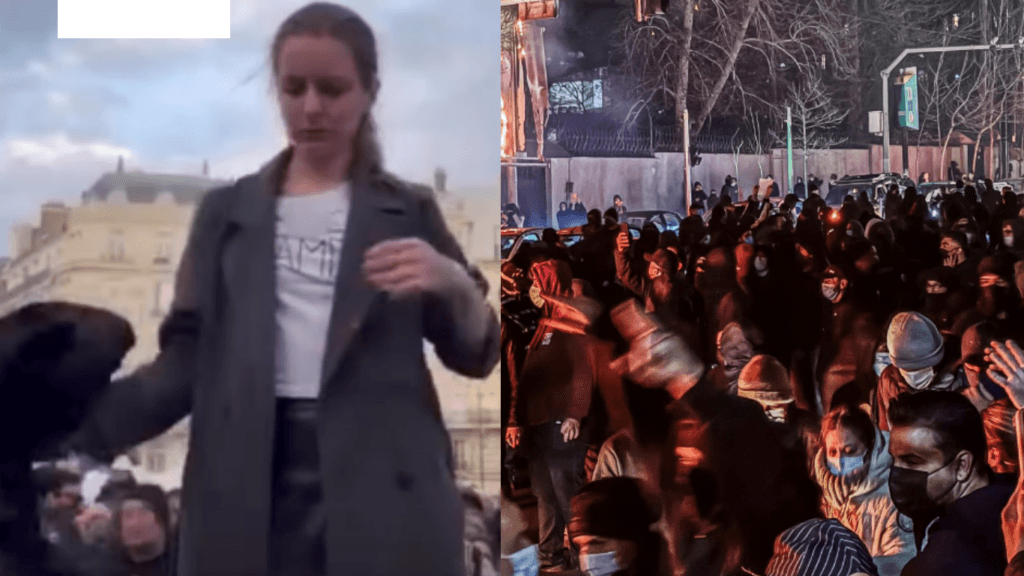
Since late December 2025, Iran has been experiencing one of the largest nationwide protest movements in decades, as citizens protested against high inflation rates, unemployment levels, devaluation of their currency, and rising costs of living; soon however, the movement began to branch out into broader demands for political change and opposition to the Islamic Republic’s government.
Protests have erupted across various provinces of Iran, including students, women, workers, shop owners (bazaari), and ordinary citizens.
As a result of these protests and potential loss of power for the Islamic Republic, Iranian authorities began to shut down internet access and impose more security on citizens when demonstrations took place by using regular police forces, the Islamic Republic military, and Basij (volunteer forces) to suppress demonstrations.
According to Human rights organizations report that thousands of people have killed across Iran since the mid-December 2025 protests started, and tens of thousands have jailed during crackdown operations; however, exact numbers difficult to confirm due to limited access to media within Iran.
Deaths and Their Impact on Society
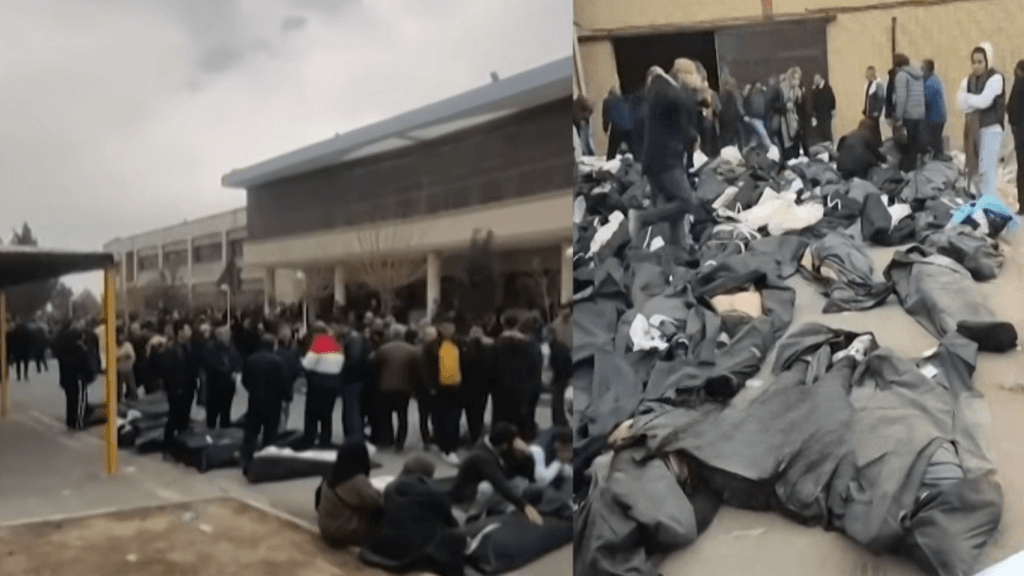
Independent organisations that have been following the protests and are based outside of Iran estimate that thousands of people may be dead as a result of the crackdown on the protests, making the crackdown as one of the deadliest periods of unrest since the 1979 revolution. Hospitals have treated thousands of victims with severe injuries including gunshot wounds; however, because of communications blackouts, it has been difficult for medically trained professionals to fully confirm all injuries sustained during the protests.
- Most of the people involved in the protests are youths (less than 35 years of age) and women protesting the combination of mismanagement of the Iranian economy and strict social control imposed by the government.
- Protests slogans frequently call for political rights, an end to clerical dominance, and systematic change – indicating that those protesting are not just disillusioned with the policies of the Islamic Republic, but with the very foundation of the Islamic Republic itself.
Reshaping Of Public Opinion Amid Discontent And Loss
- Political dissent against theocratic leadership and demands for reform and/or change.
- Symbolically invoking the history of the nation (for example, speaking of and using images related to Cyrus the Great and ancient Persian empire) as a criticism of the current political system, not as a direct literal call for the restoration of the pre-Islamic period.
- The voices and activism of the Iranian Diaspora, who often reference Iran’s rich ancient cultural history as part of the argument to support creating a secular/civic identity for the future.
Souces: Lumen Learning, Wikipedia, study.com,Livemint.com, AP News, Reddit, The Washington, The Guardian

 was home to ancient civilization and belief system)