

Makar Sankranti is one of India’s most widely celebrated harvest festivals, observed every year on 14 January. This day signifies the end of winter, and the start of harvest season. Although the festival means, thanking nature for a good harvest and the way it is celebrated differs beautifully across different parts of India.
Regional Names and Traditions of Makar Sankranti
West Bengal-Poush Parbon (Makar Sankranti)
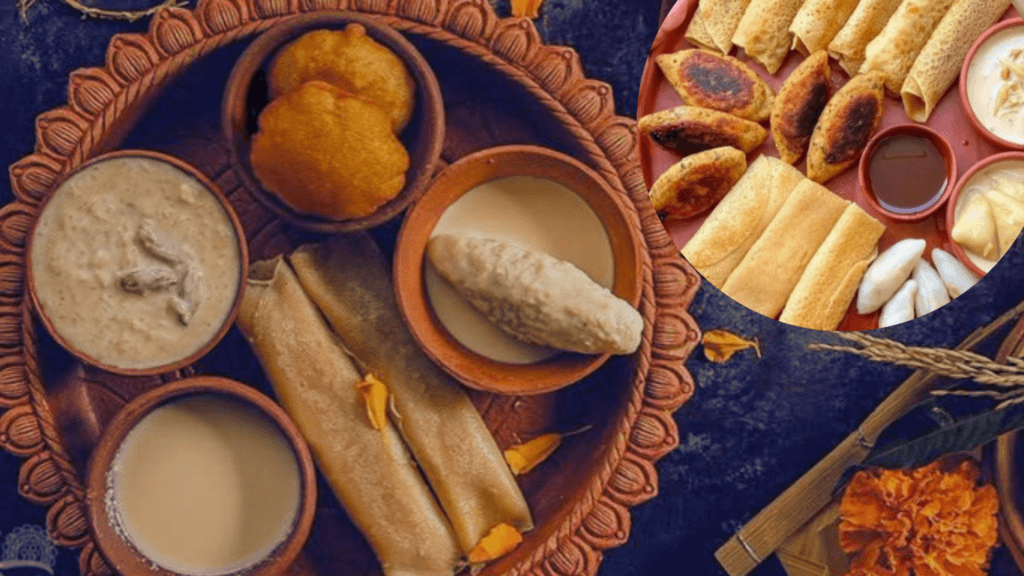
Poush Parbon, celebrated as Makar Sankranti in Bengal, is deeply associated with traditional food and rural customs. One of the most loved part of the festival is the preparation of various pithas (rice-based sweets). Among all the popular varieties include Pati Pitha, Bhapa Pitha, Dudh Puli, and Chitoi Pitha, made using rice flour, jaggery, coconut, porridge (rabri/kheer) and milk.
A unique pre-festival tradition called “Merameri” observed a day before Sankranti, where villagers build small huts using hay and dry leaves. There they eat and cook food together with friends and families, play games to enjoy and celebrate. Later these huts are burnt, on the next day on sankranti symbolising the end of the old days and welcoming of prosperity, warmth, and happiness into their lives.
Assam-Bhogali or Magh Bihu
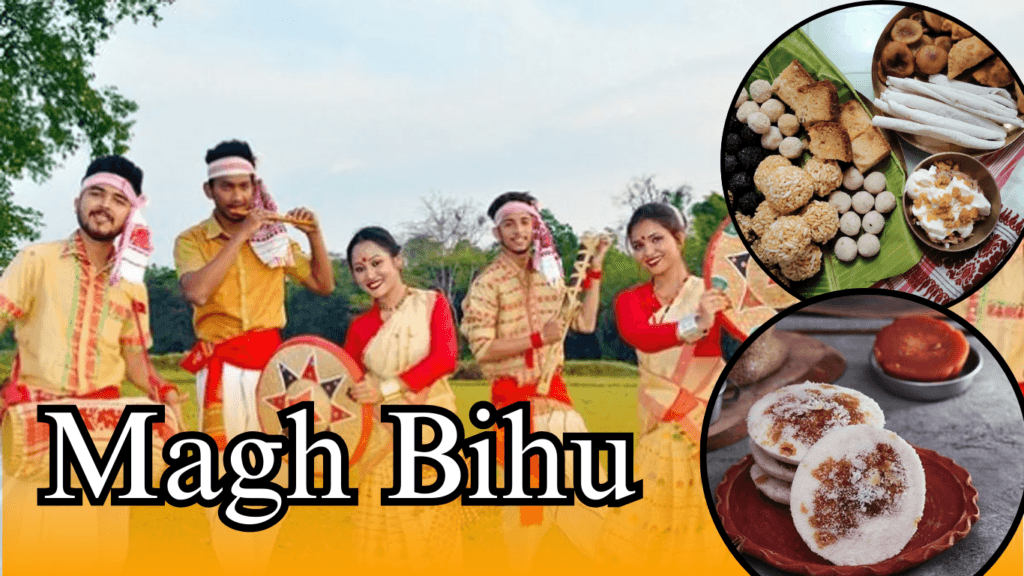
In Assam, this festival is known as Bhogali Bihu or Magh Bihu, signifies enjoyment, so this festival is all about feasting and enjoyment. People build small temporary huts called Bhelaghar using bamboo and hay near fields or riverbanks. On the eve of Bihu, families and friends gather there to cook food, eat together, and celebrate.
Traditional foods such as Dhupi Pitha, Til Pitha, and Laru, all made from rice flour and jaggery. A distinct custom in Assam is buying large fish from the market on the day before the Magh Bihu, known as Uruku night, which believed to bring prosperity, abundance and good luck. The next morning, people light bonfires, offers prayers before the fire, and then burn the huts, marking the end of celebrations and the beginning of a new, hopeful season.
In Tamil Nadu – Pongal
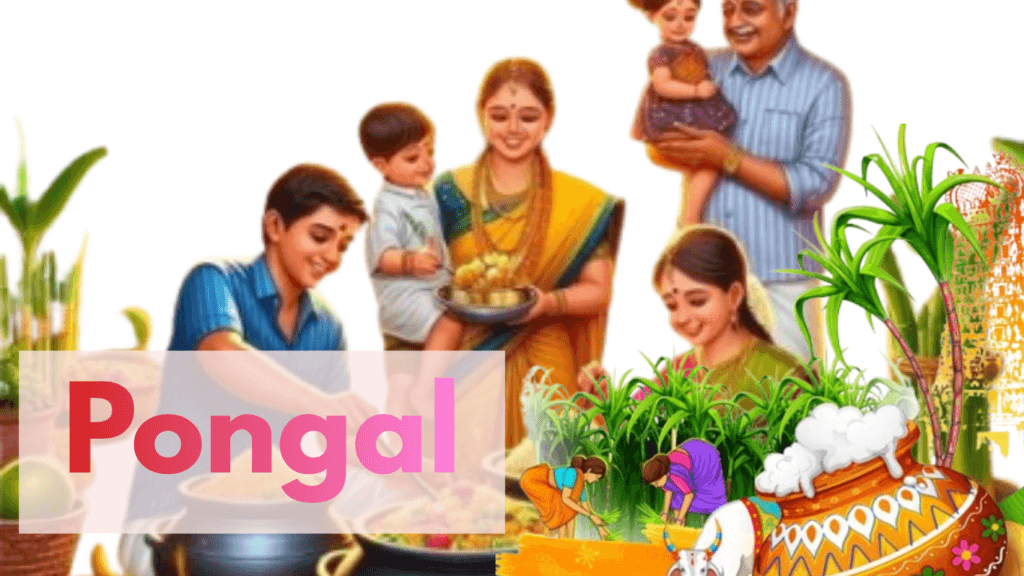
In Tamil Nadu, Makar Sankranti celebrate as Pongal, a four-day festival dedicated to the Sun God, cattle, and nature. The main special dish people prepares in Pongal, is by boiling freshly harvested rice with milk and jaggery until it overflows. This overflows of the rice is seen as a sign of good luck and prosperity. Homes are decorated with colourful kolams (rangolis), and cows are worshipped on Mattu Pongal for their importance in farming and daily life .
Punjab Lohri
In Punjab, this festival is celebrated as Lohri, primarily the night before Makar Sankranti. People gather around large bonfires, sing folk songs, dance to bhangra and giddha, and throw sesame seeds, jaggery, peanuts, and popcorn into the fire. Lohri is a joyful celebration of the harvest, new beginnings and the strong sense of togetherness in the community.
Gujarat & Rajasthan – Uttarayan (Makar Sankranti)
In Gujarat and parts of Rajasthan, Makar Sankranti is known as Uttarayan, famous for its kite-flying festivals. The sky fills with vibrant colourful kites, and rooftops turn into celebration spot for people. Families enjoy traditional foods like undhiyu, chikki, and til laddoos during the festival.
Maharashtra – Makar Sankranti
In Maharashtra, people exchange tilgul (sesame and jaggery sweets) and greet each other with the phrase “Tilgul ghya, god bola“, which means “Eat sweets and speak sweetly.” Married women take part in haldi-kumkum ceremonies, which represent friendship, happiness and togetherness.
Bihar, Jharkhand & Uttar Pradesh – Khichdi Parwa
In parts of Bihar, Jharkhand, and Uttar Pradesh, the festival is known as Khichdi Parwa. On this day, people cook khichdi made from rice, lentils, and seasonal vegetables and offer it in temples. Many devotees take holy dips in rivers like the Ganges, which are considered auspicious and brings spiritual purity.
Kerala – Makara Vilakku
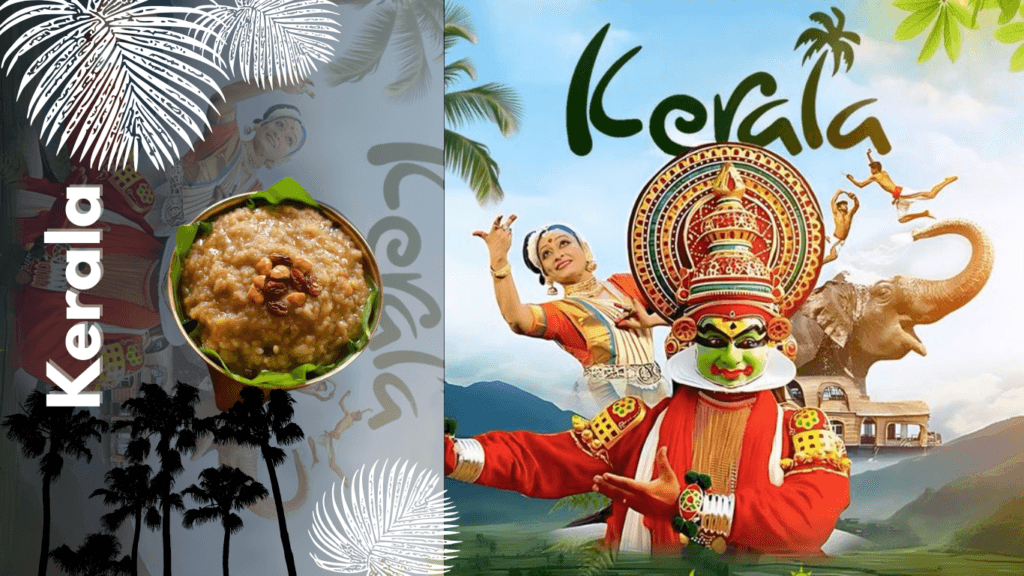
In Kerala, Makar Sankranti is linked with the famous Makara Vilakku pilgrimage at Sabarimala. Thousands of devotees gather to witness the sacred light and pray for peace and prosperity and also seek blessings.
Cultural and Spiritual Significance
Makar Sankranti is more than just food and celebrations, it rather holds deep spiritual meaning. People believe bathing in sacred rivers such as the Ganga, Yamuna, and Godavari helps wash away sins and bring positivity. The festival reminds us to be thankful and respect for nature’s gifts to live in harmony with others.
Makar Sankranti is not just a harvest festival, it beautifully shows India’s rich culture and unity in diversity. From pithas in Bengal and Dhupi Pitha in Assam to bonfires in Punjab and kite flying in the skies of Gujarat, every region celebrates it in a special way. Despite regional differences, the message remains same that is gratitude for abundance, hope for properity, and joy in celebrating togetherly.
Edited by Ankita Deb