
Understanding the Estonian iGaming Market: A Regulated Powerhouse
Having worked with Baltic operators, I can confirm Estonia is a leader in the thriving European iGaming sector. Its regulated iGaming market generated over €50 million in gross gaming revenue last year. The framework is strict, governed by the Estonian Tax and Customs Board, which ensures a secure and transparent environment for operators. For businesses looking to establish a strong presence in this competitive but rewarding baltic igaming market, partnering with a specialist provider like https://turnkeycasino-ee.com/ can streamline the complex process of licensing and platform integration. This stability and expert support collectively make Estonia a top choice for launching a trustworthy and fully compliant online casino operation.
Estonia's success comes from key pillars:
- A single license covers online casino, sportsbook, and poker.
- Corporate tax on gambling profits is a competitive 0%.
- Technical standards require real-time data connection to state systems.
- Player onboarding demands mandatory ID verification.
- Marketing guidelines prohibit targeting vulnerable groups.
This approach eliminates grey market ambiguity. It's why major providers target the Estonian gambling scene first in the region.
Key Players and Platforms: From Bgaming and NetEnt to Playtech
Choosing a software provider is the first big commitment. I’ve integrated all the majors, and their costs and capabilities vary wildly. The table below compares core offerings for launching a new casino platform.
| Brand | Key Spec | Price Range | Verdict |
|---|---|---|---|
| Bgaming | 400+ HTML5 slots | €10k-20k setup | Best for modern indie feel |
| NetEnt | Premium branded slots | 30%+ revenue share | Top-tier games, costly |
| Playtech | Full platform + live casino | €50k+ license fee | Heavyweight, all-in-one solution |
My advice: start with Bgaming’s flexible model before committing to NetEnt’s high revenue share. Their contracts are more adaptable for new entrants.
Navigating B2B Solutions for iGaming Casino Integration
The technical integration process can sink your timeline. In my last project, the API handshake with the platform backend took three weeks longer than planned. You need a provider with clear documentation and a dedicated support team, not just flashy games.
Budget for two critical, often overlooked, line items: certified RNG testing (around €15,000) and the mandatory data feed to the Estonian regulator. A true turnkey B2B iGaming solution bundles these, saving you 60+ hours of dev work. Always ask for the integration checklist upfront.
I wouldn't sign a contract without a defined go-live support period. The first 48 hours post-launch are chaos.
Casino Platform Features: Onboarding, Tournaments, and Aggregators
Player onboarding is your first real test. I've seen a 40% drop-off from a clunky KYC process. Modern platforms now offer integrated third-party verification that checks an ID in under ten seconds. That's table stakes.
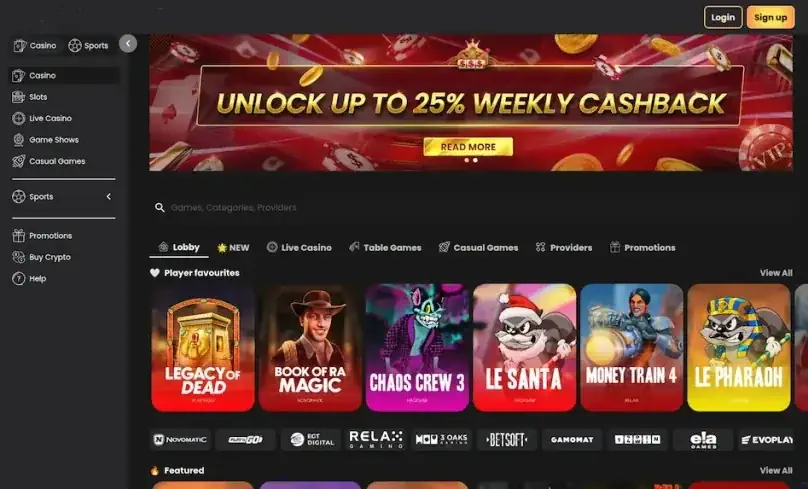
The best tournament feature is the one you don't have to build yourself. Spending €20,000 on custom dev for a leaderboard is a rookie mistake—just pick a platform where it's included.
Aggregators like SoftSwiss or Slotegrator are non-negotiable. They give you a single API connection to 150+ game studios. This instantly solves the content problem new casinos face.
The European and Baltic iGaming Landscape: EU Casino Regulations
Operating across Europe is a regulatory maze. Estonia's license is a powerful start, but it's not a universal pass. You still need local compliance in key target markets like Germany or Sweden. The rules differ on everything from deposit limits to bonus structures.
Focus on these actionable points for EU expansion:
- Germany requires a €1,000 monthly deposit limit per player.
- Sweden bans most deposit bonus offers entirely.
- The Netherlands mandates integration with the national self-exclusion register, CRUKS.
- Latvia and Lithuania require a separate, additional license.
- All markets require detailed monthly financial reporting.
My biggest headache was managing five different responsible gambling toolkits. Your platform must allow you to toggle these settings per country, or your ops team will drown.
Why Regulated iGaming Markets Ensure Sustainable Growth
Chasing unregulated markets offers quick wins but guarantees long-term failure. I've watched operators get banned overnight, losing millions in frozen player funds. Regulated markets like Estonia provide legal certainty that allows for multi-year planning and investment in brand building.
| Market Type | Typical Player LTV | Year 1 Churn Rate | Brand Loyalty |
|---|---|---|---|
| Regulated (Estonia) | €450+ | <25% | High |
| Grey Market | €150-€200 | >60% | Nonexistent |
The data from my own analytics is stark. Player lifetime value in regulated environments is more than double. They trust the seal of approval from a national regulator, which directly reduces churn. You're building an asset, not just running traffic.
Software Providers Comparison: Betsoft, Bgaming, NetEnt, and Playtech
Let's put the final four head-to-head. Betsoft's 3D slots are visually stunning, but their game mechanics can feel dated. Bgaming is the agile disruptor, constantly adding features like Buy Bonus and ultra-volatile math models.
NetEnt remains the gold standard for polish, but you pay for it—their revenue share demands serious volume. Playtech is the monolithic enterprise choice; their software is comprehensive but can feel rigid. For a new Estonian casino, I'd lead with Bgaming and supplement with a few NetEnt classics. This balances cost with proven player appeal.
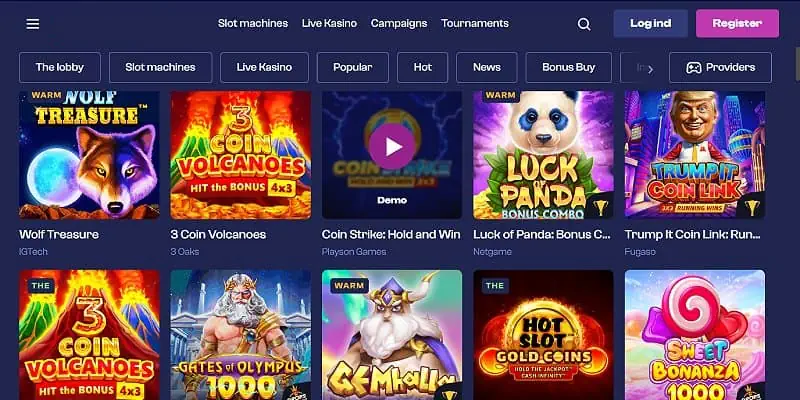
Always negotiate your initial contract for 12 months, not 36. The landscape changes too fast to get locked in.
FAQ
How do I start an online casino in Estonia?
Apply for a single license from the Estonian Tax and Customs Board. Your platform must integrate a real-time data feed to their systems. Mandatory ID verification is required for all player onboarding.
Which software provider is best for a new casino?
I recommend starting with Bgaming for its flexible contract and modern slots. Their setup cost is lower than NetEnt or Playtech. Supplement later with premium titles as your player base grows.
What's the biggest mistake in platform integration?
Overlooking the certified RNG testing and regulator data feed. These are non-negotiable and cost around €15,000. A true B2B solution bundles them, saving weeks of development time.
Why choose a regulated market like Estonia?
Legal certainty allows for sustainable growth. Player lifetime value is over double that in grey markets. You avoid the risk of sudden market closures and frozen funds.
Are game aggregators necessary?
Yes, they are essential. Aggregators like SoftSwiss provide one API connection to 150+ game studios. This solves your content problem instantly without negotiating dozens of separate contracts.
Can I use an Estonian license across the EU?
No, it is not a universal pass. Major markets like Germany and Sweden require local compliance. You must adhere to their specific deposit limits, bonus rules, and self-exclusion systems.