


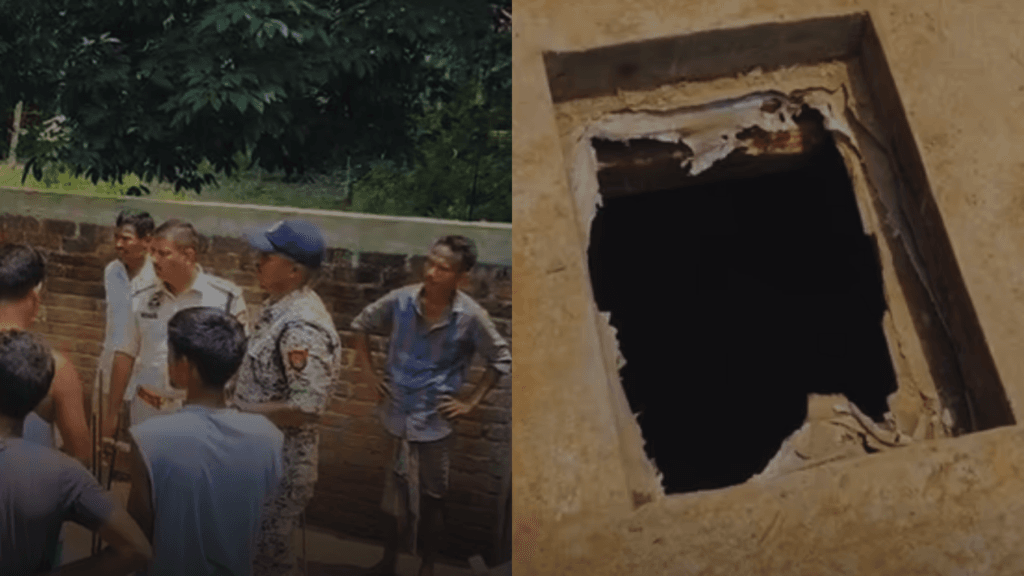
Rescue attempt turns fatal as toxic gas kills three in shocking incident
A tragic septic tank death incident in Assam’s Goalpara district has left three people dead. Among them was an Indian Army jawan who had returned home on leave. The shocking event unfolded during a routine cleaning operation at his residence.
According to reports, the jawan had called two masons to clean a septic tank. At first, one worker entered the tank. However, within moments, he collapsed after inhaling toxic gas. Soon after, another mason went in to rescue him. Unfortunately, he also lost consciousness due to suffocation.

Seeing both men unconscious, the jawan rushed in to help. Sadly, he too fell victim to the poisonous fumes. As a result, all three remained trapped inside the tank.
Meanwhile, another local resident attempted a rescue. He entered the tank but quickly faced breathing issues. He then shouted for help. Hearing his cries, nearby residents rushed to the spot. They managed to pull him out alive and shifted him to a hospital. At present, he is in critical condition.
⚠️ How the Incident Unfolded
- A mason entered the tank and collapsed due to toxic gas.
- A second worker tried to rescue him but also fainted.
- The Army jawan entered to help but lost consciousness.
- A fourth person was rescued alive but remains critical.
Officials later confirmed that the three victims died on the spot due to suspected gas inhalation. The septic tank death has triggered shock across the locality. Moreover, it has raised serious concerns about safety during such operations.
This incident once again highlights the dangers of confined spaces. Experts often warn that septic tanks can contain deadly gases like methane and hydrogen sulfide. Without proper safety gear, even a few seconds of exposure can be fatal.
In conclusion, this heartbreaking tragedy serves as a reminder. Proper precautions, safety equipment, and awareness are essential. Otherwise, such avoidable deaths may continue to occur.